
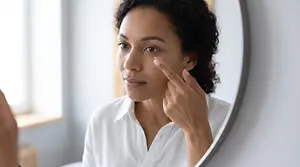
Contact lenses can provide clear vision without frames, preserve peripheral awareness, and offer flexibility for sports, travel, and everyday life. However, finding the right lenses involves more than choosing a brand or using your eyeglass prescription.
Your prescription, eye shape, tear film, lifestyle, and wearing habits can all affect comfort and visual clarity. A personalized contact lens exam at [tokens name='practice'] helps identify an option suited to your eyes and daily routine.
Contact lens comfort depends on the prescription, lens design, fit, eye health, and care routine working together.
Is a Contact Lens Exam Different From an Eye Exam?
Yes. A comprehensive eye exam evaluates your visual acuity, prescription, eye coordination, and overall eye health. A contact lens exam includes additional measurements and observations needed to determine how a lens rests on each eye.
During the fitting process, your optometrist may evaluate:
-
The shape and size of the cornea
-
Tear-film quality and signs of dryness
-
How a trial lens centres and moves
-
Vision through the contact lens prescription
-
Your work, recreation, and screen-use habits
-
Your ability to insert, remove, and care for lenses safely
Because contact lenses sit directly on the eye, an eyeglass prescription cannot simply be transferred to a contact lens order.
Which Types of Contact Lenses Are Available?
The most appropriate design depends on your prescription, comfort needs, and preferred replacement routine.
Daily contact lenses are opened fresh each day and discarded after use. They can simplify lens care because they do not require overnight storage, making them convenient for occasional wear, travel, sports, or busy schedules.
Scheduled-replacement lenses may be worn for a prescribed number of days before being replaced. These lenses require consistent cleaning, disinfection, and storage. Although certain designs are approved for extended wear, sleeping in lenses should occur only when specifically directed by your eye doctor.
Multifocal contact lenses can help people who need correction for both distance and near vision, while other designs can correct astigmatism. Trial lenses and follow-up visits allow the doctor to assess comfort and clarity before finalizing the prescription.
Can Contact Lenses Help Manage Childhood Myopia?
Some specialty contact lenses for myopia are designed to provide clear vision while helping slow the progression of nearsightedness in eligible children. [tokens name='practice'] offers MiSight® 1 day as part of a structured myopia management program.
These daily disposable myopia management contact lenses use distinct optical zones to correct distance vision and reduce the stimulus associated with eye growth. They do not cure myopia, and suitability depends on factors such as the child’s prescription, eye health, age, maturity, and ability to handle lenses responsibly.
Regular monitoring remains important because the eye doctor needs to evaluate vision, eye growth, lens fit, and treatment progress over time.
What If Contact Lenses Feel Dry or Uncomfortable?
Contact lens discomfort can result from dryness, deposits, allergies, an unsuitable lens material, poor fit, extended wear, or an eye-surface condition. Rather than accepting discomfort or shortening wear time without guidance, schedule an evaluation.
A different lens material, replacement schedule, or design may help, although underlying dry eye or eyelid concerns may also require treatment. Remove your lenses and contact the practice promptly if you develop pain, significant redness, light sensitivity, discharge, or sudden or persistent blurry vision.
How Should You Care for Your Contact Lenses?
Healthy habits reduce the risk of irritation and infection:
-
Wash and thoroughly dry your hands before handling lenses.
-
Keep lenses and cases away from tap, pool, and shower water.
-
Use only the recommended contact lens solution.
-
Never reuse or “top off” old solution.
-
Follow the prescribed wearing and replacement schedule.
-
Replace the storage case regularly.
-
Carry backup glasses in case your eyes become uncomfortable.
Where Can You Find Contact Lens Care in Kirkland?
If you are searching for an optometrist for contact lens fitting, [tokens name='practice'] in [tokens name='location'] offers comprehensive exams, personalized fittings, trial lenses, and ongoing care. Schedule an appointment to explore contact lenses selected for your vision, comfort, and lifestyle.
Frequently Asked Questions
Are Daily Contact Lenses Risk-Free?
No. Daily lenses eliminate case and solution care, but clean hands, water avoidance, proper wear, and timely removal remain essential.
Can Children Wear Contact Lenses?
Many children can wear lenses successfully when they are mature enough to handle them responsibly. An examination can determine whether standard or myopia-management lenses are appropriate.
How Often Should My Contact Lens Prescription Be Checked?
Follow the schedule recommended by your optometrist. Regular visits help confirm that the lenses still fit properly and that the eyes remain healthy.